Electroconvulsive Therapy: ECT Explained, History, Procedure, Safety and Modern Advances
Electroconvulsive therapy is one of the most misunderstood treatments in mental health care. Films often show it as harsh or frightening. Modern practice is very different. It is a controlled medical procedure done under anaesthesia, with monitoring and consent.

How ECT began and changed over time
ECT was first used in the late 1930s by Italian doctors Ugo Cerletti and Lucio Bini. At that time, treatment options for severe mental illness were limited. Early methods were basic, and they did not use the same level of anaesthesia, muscle relaxation, or monitoring used today.
Over the decades, the treatment changed a lot.
Early ECT often had stronger side effects because it used higher electrical doses and less precise equipment. Modern treatment uses carefully measured electrical pulses. Doctors also adjust the treatment based on the person’s age, health, symptoms, and response.
By the second half of the 20th century, ECT became a recognised treatment for severe depression, catatonia, mania, and some cases of psychosis. Today, major psychiatric organisations describe it as a valid medical treatment, especially when symptoms are severe, life-threatening, or not improving with medicines and therapy.
Expert view: The American Psychiatric Association and the Royal College of Psychiatrists recognise ECT as an effective treatment for severe depression and some other serious mental health conditions when used with proper assessment and safeguards.
What happens during the procedure
ECT is not done suddenly or casually. A full medical assessment comes first.
A doctor usually checks:
Current symptoms and diagnosis
Past treatment history
Medical conditions, including heart problems
Current medications
Blood tests and other tests if needed
Consent and decision-making capacity
On the treatment day, the person is usually asked not to eat or drink for several hours. This is because anaesthesia is used.
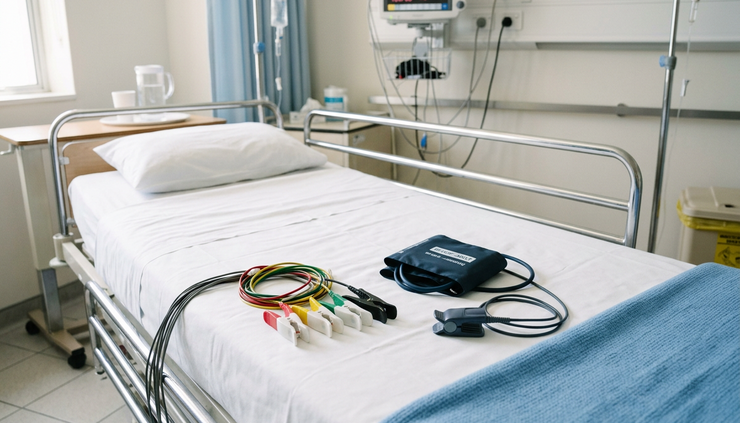
In the treatment room, the care team places small sensors to monitor heart rate, oxygen level, blood pressure, and brain activity. A small tube is placed in a vein to give medicines. The person then receives a short-acting anaesthetic, so they are asleep and do not feel the procedure. A muscle-relaxing medicine reduces body movement during the treatment.
Small electrode pads are placed on the scalp. They may be placed on one side of the head or both sides, based on the treatment plan. The machine delivers a brief, controlled electrical stimulus. This causes a short seizure in the brain, which is part of the treatment effect. Because of the muscle-relaxing medicine, there is usually little visible movement.
The stimulus lasts only a short time. The full visit takes longer because of preparation and recovery. After the treatment, the person wakes in a recovery area. Confusion, headache, nausea, or muscle soreness can happen, but these often settle.
A course often includes several sessions over a few weeks. The exact number varies. Some people later receive less frequent maintenance treatments to reduce the chance of relapse.
Modern treatment practices and advances
Modern ECT is far more precise than older forms.
Key advances include:
Short pulses of electricity
Older machines used longer electrical waves. Newer machines use brief or very brief pulses. This helps reduce memory side effects for some people.
Individual dose setting
Doctors do not use a one-size-fits-all dose. They adjust the electrical dose based on the person’s needs and response.
Choice of electrode placement
Placing electrodes on one side of the head may reduce some memory problems. Placing them on both sides may work faster for Shortsevere symptoms. The doctor balances speed, benefit, and side effects.
Better anaesthesia and monitoring
Anaesthesia teams now play a central role. Breathing, oxygen, heart rhythm, and blood pressure are monitored throughout.
Clearer consent and follow-up
Modern practice includes discussion of benefits, risks, alternatives, and expected side effects. Follow-up care is also part of treatment, because ECT is not a stand-alone cure for everyone.
Common fears and what the evidence says
The biggest fear is pain. The procedure is done under anaesthesia, so the person is asleep and does not feel the electrical stimulus.
Another fear is personality change. ECT does not erase a person’s identity. Some people feel more like themselves as severe depression, suicidal thoughts, or slowed thinking improve.
Short term memory changes should not be dismissed. Some people have trouble remembering events around the treatment period. Memory problems are temporary and improve after the course ends. This is why doctors choose the method carefully and review side effects throughout treatment.
A common misconception is that ECT is used as punishment or control. In modern health care, it is a medical treatment. It involves consent, legal safeguards where needed, and clear clinical reasons.
Another misconception is that it is only used when nothing else exists. It is often considered after medicines have not helped. But it may be used earlier in severe cases, such as high suicide risk, refusal to eat or drink due to depression, severe catatonia, or depression with psychosis.
What patients often report and what experts say
Patient experiences vary. Some people describe rapid relief after weeks or months of severe depression. Others improve more gradually. Some stop treatment because of side effects or limited benefit.
An anonymised patient experience often described in clinical settings is simple: after several treatments, the person begins sleeping better, eating again, speaking more, and feeling less trapped by suicidal thoughts. These changes can be life-saving when depression is severe.
Expert groups do not describe ECT as risk-free. They describe it as a treatment with strong evidence for certain severe conditions, provided it is done by trained teams with careful monitoring.
NICE in the UK recommends electroconvulsive therapy only for specific severe situations, such as life-threatening depression, severe depression when other treatments have not worked, or severe mania or catatonia. This reflects a balanced view: use it when the expected benefit is high enough to justify the risks.
FAQ
Is ECT safe?
Modern ECT is generally considered safe when done by trained medical teams. It uses anaesthesia, muscle relaxation, and monitoring. Like any medical procedure, it has risks, so assessment is needed first.
Will it hurt?
No pain is expected during the treatment because anaesthesia is used. Some people may have headache, nausea, or body aches afterwards.
Will I lose my memory?
Short-term memory problems can happen. Some people forget events around the treatment period. Doctors reduce this risk by adjusting the dose and electrode placement.
How quickly can it work?
Some people improve after a few sessions. Others need a fuller course. Response depends on the condition, severity, and overall health.
Can medicines continue during treatment?
Often, yes, but some medicines may need changes. The treating psychiatrist and medical team decide this after reviewing safety.

A careful next step matters
Electroconvulsive therapy has a long history, and modern practice is very different from older images in popular culture. It is controlled, monitored, and used for serious conditions where the potential benefit can be substantial.
DISCLAIMER: This article is for general information only. It is not medical advice. Anyone considering ECT should speak with a qualified psychiatrist and healthcare team, discuss personal risks and benefits, and make a decision based on a full medical assessment.


Comments